

Don’t Buy Hardware
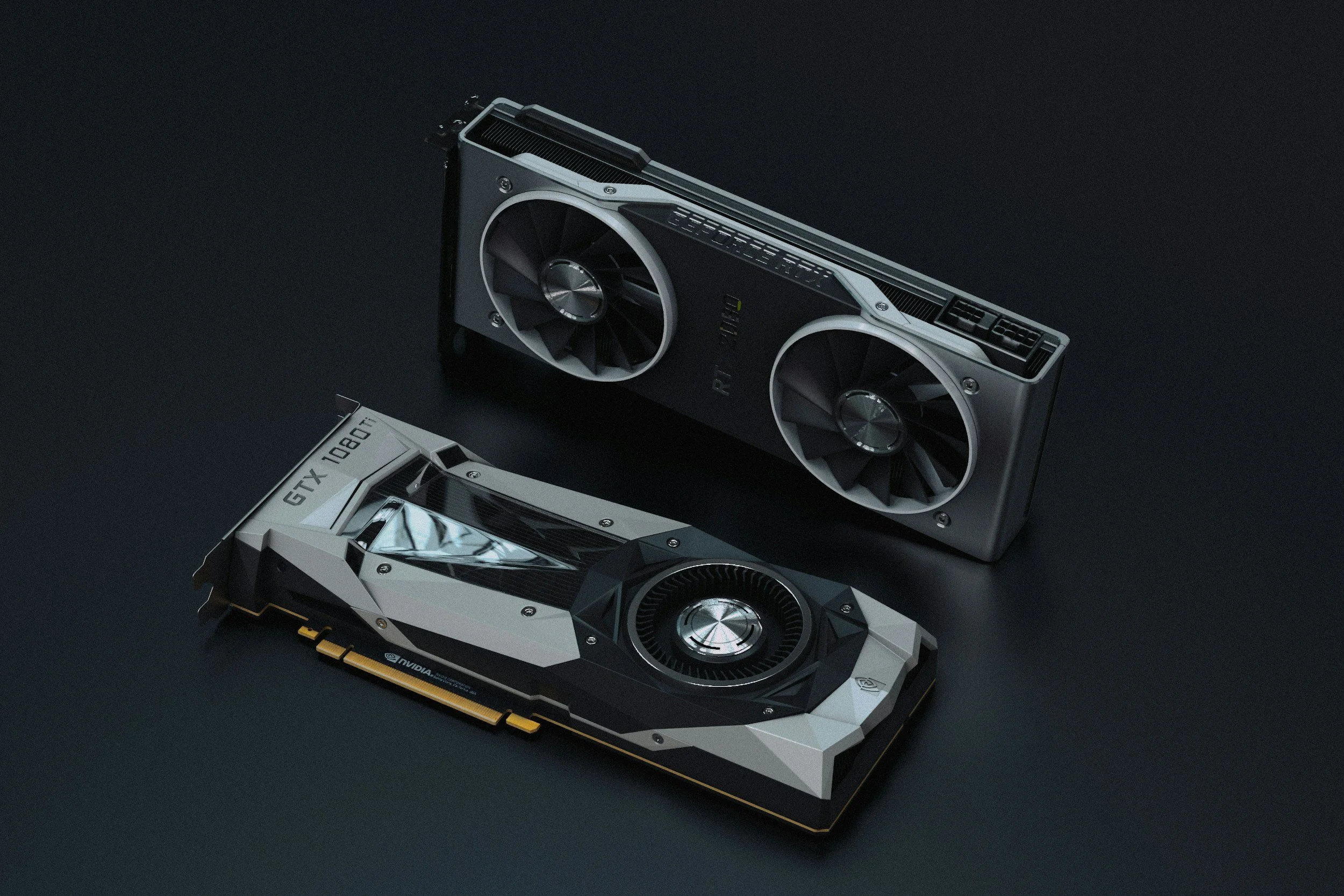
I've seen a lot of big bets about ai hardware, but I can't disagree enough. AI is in it's early Uber stage, vc money is being pumped in to attract users and beat competition. Buying hardware would be like taking a taxi, why not let vc pay for part of your ride?
As ai changes, so to does the ideal hardware to run it. When hardware is at a premium, and most AI startups lose money on compute, why would I invest when it will depreciate in 3 or so years? (while other companies are playing funny financials to extend depreciation out to 5-7 years to make cards more valuable to investors, Amazon recently lowered the target from 6 years down to 5 years).
Source: https://www.technologyreview.com/2025/11/19/1128119/quantum-physicists-compress-and-deconsor-deepseekr1/amp/

Data or Evolution?
While it's exciting to see the amount of data required to train a model shrink, I wonder if people have the right framework for training. Instead of looking at training as all the examples it takes a bot to learn a task, it might be more accurate to view training as evolving the brain of the bot. If we take the metaphor of the brain as the hardware for ai, training is not having a bot learn how to do a task it is already biologically programmed to do. IT IS learning what structures it needs to compute the problem. Imagine trying to see without the occipital lobe.

A New Branch of Science
AI is such an exciting field. This is the first time that humans get to experiment with what makes intelligence tick. I've long held that philosophy guides science, but now the tools to experiment with intelligence have arrived so it's time to stop talking about it, and start figuring it out!
This paper reminds me of the anatomy of the brain and how it contains different sections for various areas of compute such as sight. Modern chip design seems to mirror this approach with general compute supplemented with asic like dedicated hardware for specific tasks.
Source: https://arxiv.org/pdf/2511.06344